
AI and HR

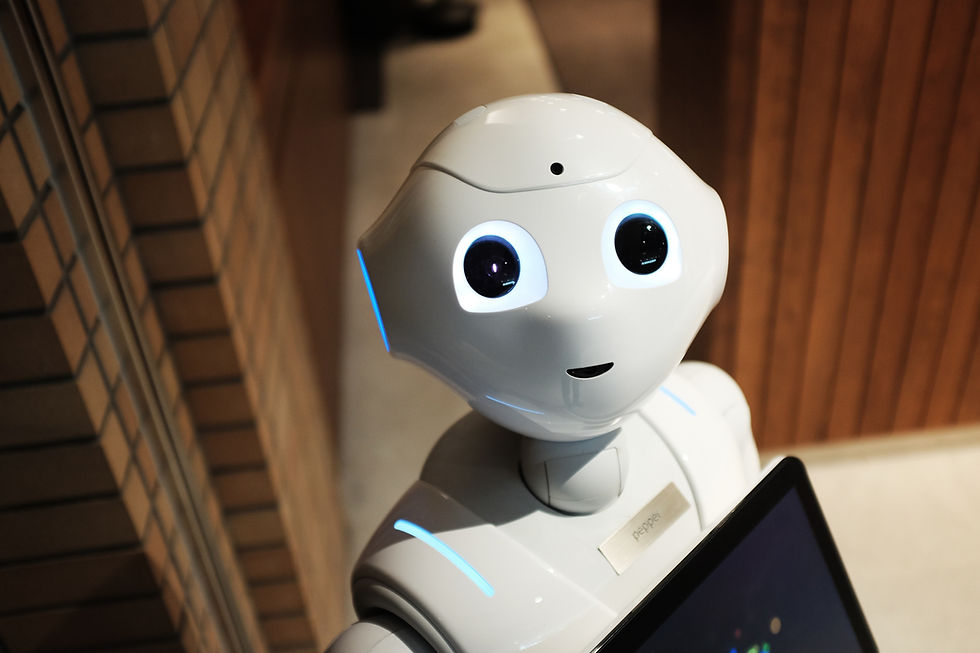
Back in the 90’s (late 90’s), I was reading psychology at university and Artifical Intelligence (AI) was part of one of the modules. Fascinating at the time, this was, of course, before mobile phones were really a thing, the internet was around but not like it is now and social media still in the future. At the time I didn’t really give it much thought but fast forward a few decades and here we are. AI is everywhere, popping up in google searches, offering to transcribe Teams meetings or provide an overview of a document you are reading. I am all for technology, it can make life easier. However, if the press is to be believed, AI will replace us all and it is evolving fast. In the meantime, we have to figure out not only how to incorporate AI in the workplace but how to upskill teams and manage fears of being replaced.
AI is already in HR, candidates using AI to write their CV’s or job applications, employees using AI to write grievances and appeal letters. Often these end up being pages long, most of which is not relevant to the actual issue, causing more work for HR teams as they still need to read through. Although, to be honest in my time I have seen grievances, appeals and resignation letters which were pages long. At least though you were dealing with the employees feeling and thoughts, as opposed to a generated letter full of key words.
On a positive note AI can be used for;
· analysing information,
· spotting trends,
· automating repetitive tasks and
· pulling together updates on employment law.
AI can also help with;
· Drafting job descriptions
· Drafting job ads
· Drafting template letters
AI is still learning at the moment, albeit fast, however, you must be careful to check whether the information you are putting into the AI system is used for learning, and if it will be shared or can be accessed. It is wise not to share confidential business information or any sensitive data on applicants or employees.
In addition, be cautious if using AI as a tool to screen applicants, you may end up missing applicants, the criteria you use to screen will have a bias and the recruitment world is moving away from credentials to capability. You do not want to replace to human decision making process when it comes to who you hire.
Whilst AI is good for research purposes it cannot be solely relied upon. As we all know there is much misinformation out in the world and AI will look at everything, this means there will be inaccuracies. When it comes to employment law and writing contracts and policies it is a good idea to get these checked.
You cannot automate everything.
Managing people involves difficult conversations, feedback and a human approach. AI will not replace as it will be very black and white view, HR operates in the grey area where common sense is needed. Humans need to be at the centre of the decision making process.
Final thought
AI can support people teams and will be able to replace those mundane tasks which can be automated. It will also make data analysis quicker and more accurate, freeing up HR professionals so they can support managers and spend more time with employees. Look at ways to incorporate AI in to your HR teams whilst still maintaining that human touch. Work with your teams to manage fears about AI, upskilling them is key to figuring out how to use AI and make it an investment into your business. It is here to stay and we all need to figure out how to make it work for us.


Comments